Community Impacts of Data Centers and Large-Scale Energy Infrastructure Projects
Overview
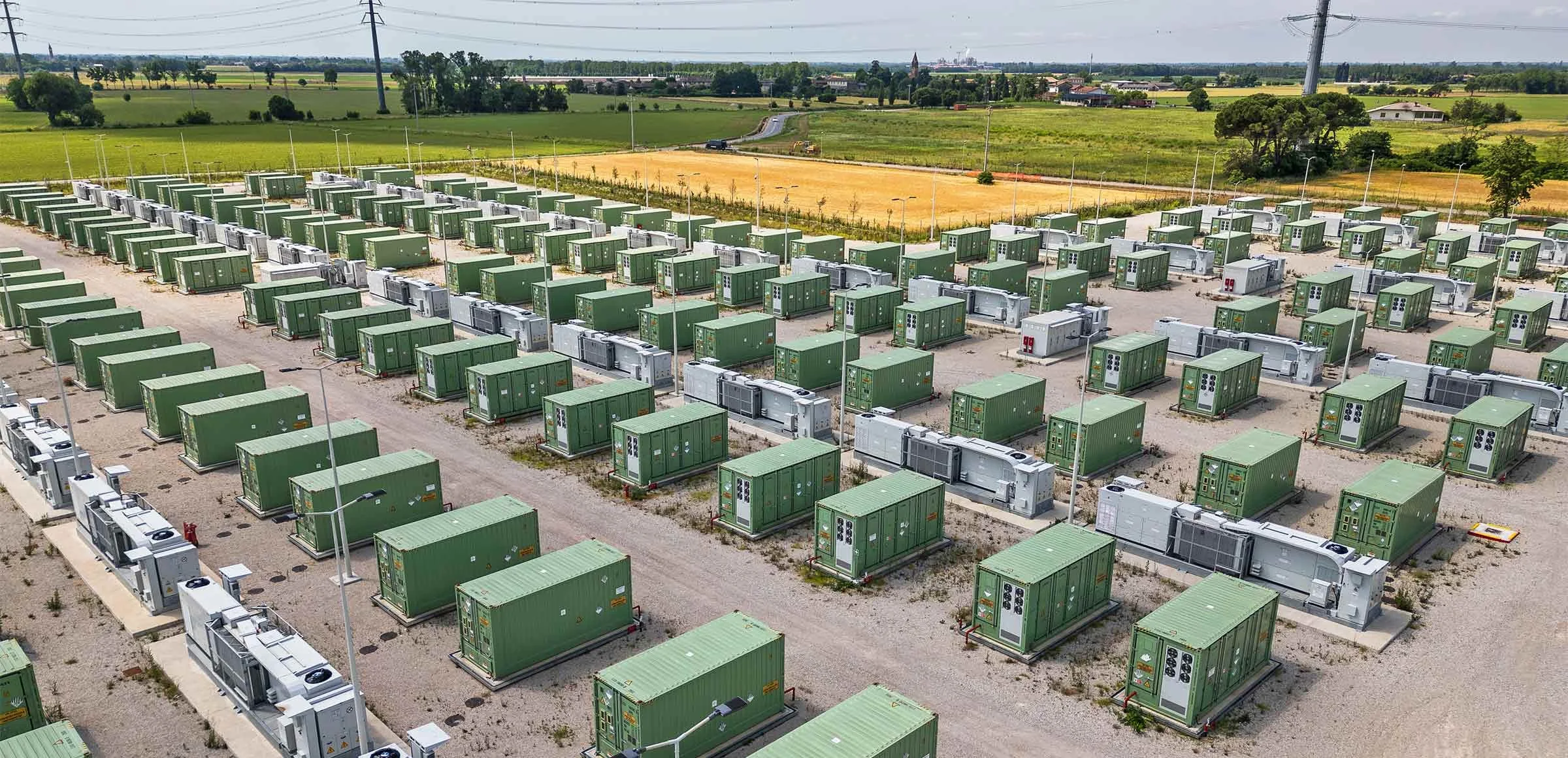
Data centers and large-scale energy infrastructure projects, such as industrial solar installations and Battery Energy Storage Systems (BESS), are expanding rapidly across Maryland. While these projects support digital infrastructure and renewable energy goals, they also raise significant concerns for local communities. This page outlines the major issues associated with data centers and the implications of The Renewable Energy Certainty Act.
Data Centers: Community-Level Problems
Data centers are massive industrial facilities that house servers, cooling systems, and electrical equipment. Their impacts on surrounding communities include:
Strain on Local Infrastructure
Energy demand: Data centers consume enormous amounts of electricity, often requiring new substations, transmission lines, and grid upgrades.
Water usage: Many data centers use millions of gallons of water per day for cooling, stressing local water supplies.
Traffic and construction: Long-term construction phases and ongoing maintenance increase heavy truck traffic.
Environmental Concerns
Heat and noise pollution: Cooling systems generate continuous noise and release heat into the environment.
Land use conversion: Large tracts of land cleared for industrial development, reducing green space and wildlife habitat.
Diesel backup generators: These generators emit pollutants during testing and outages.
Limited Local Benefits
Few permanent jobs: Data centers create relatively few long-term employment opportunities compared to their footprint.
Tax incentives: States and counties often provide tax breaks, reducing revenue that could support schools, roads, and public services.
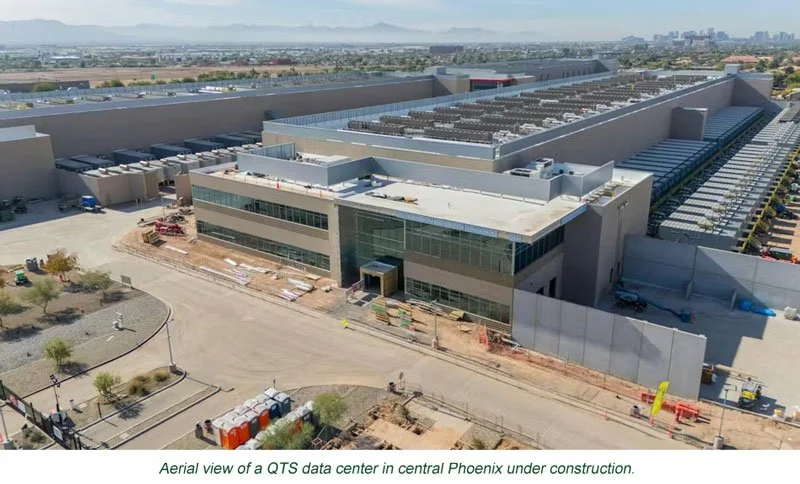
This is the Vantage Data Centers VA2 facility. It is an 18-acre data center located in Sterling, Virginia (Loudon County).
Overriding Local Zoning Authority
The Renewable Energy Certainty Act (House Bill 1036/Senate Bill 931) is a point of contention because it temporarily removes local zoning authority for industrial solar projects on agricultural land.
What SB931 Does
Overrides county-level zoning decisions.
Allows industrial-scale solar development on agriculturally zoned land.
Restores local authority only after a county has 5% of their agricultural land used for solar.
Impact on Harford County
Harford County must allow 5,500 acres of agricultural land, an area roughly the size of Jarrettsville, to be converted into industrial solar fields before regaining zoning control.
This raises several issues:
Loss of farmland: Productive agricultural land is permanently converted to industrial use.
Community disruption: Rural character and landscapes are altered dramatically.
Precedent-setting: State-level preemption may encourage similar overrides in future infrastructure debates.
Concerns About State Preemption
Erosion of local decision-making: Counties lose the ability to regulate land use based on community needs.
One-size-fits-all policy: State mandates may not reflect local environmental, cultural, historical, or economic conditions.
Reduced accountability: Local officials have limited ability to respond to residents’ concerns.